LCC's Sonography Program offers a distance learning format, enhancing student opportunities, and flexibility while providing you with the education and knowledge you need to enter the field of sonography as a confident and highly trained professional.
Download Program OverviewThe program provides two options: General (Abdomen-Extended and OB/GYN), or Vascular. Each track lasts 14 months and includes online didactic coursework, in addition to clinical rotations at a location near you, all designed to prepare students for the ARDMS board examinations.
The Diagnostic Medical Sonography Program at LCC stands out as one of only four distance learning programs in the U.S. with accreditation from the Commission on Accreditation of Allied Health Education Programs (CAAHEP). This accreditation comes after a recommendation from the Joint Review Committee on Education in Diagnostic Medical Sonography (JRC-DMS), and the program has been approved since March 2013.
Academic Curriculum Map
Acceptance into the Sonography Program is a competitive process & based on several required components. If you have any questions regarding the application process, please contact the DMS Navigator at dmsprogram@student.labette.edu.
DMS AAS DMS General Sonography DMS Vascular Sonography Course DescriptionsApplication Information
Application opens: August 3, 2026
Deadline: February 11, 2027
Contact Information

Morgan Augustine
DMS Program SpecialistEmail:
dmsprogram@student.labette.edu
Frequently Asked Questions
Download FAQsSonography (ultrasound) uses sound waves to create images inside the body. These images help healthcare providers diagnose and monitor medical conditions.
Sonographers typically work in hospitals, outpatient imaging centers, and doctors’ offices.
The median annual salary for sonographers is about $89,000 with a job outlook of 13% (U.S. Bureau of Labor Statistics).
Yes. The program is accredited by CAAHEP (Commission on Accreditation of Allied Health Education Programs).
Graduating from an accredited program meets national standards and is often required or preferred by employers.
The program is 14 months long and begins each June.
The application opens in the fall and has a set deadline each year.
👉 See the DMS application page for exact dates.
Up to 25 students are accepted each year.
- General Sonography (abdomen and OB/GYN)
- Vascular Sonography
No. You may complete them one at a time.
Lecture courses are online. Clinical rotations are completed in person at an approved site near you.
- First-time students earn the Associate of Applied Science (AAS) degree
- If you return later for a second concentration, you will earn a certificate
To apply, you must have:
- An Associate or Bachelor’s degree
- Minimum cumulative GPA of 2.5
- All prerequisite courses completed with a “C” or better:
- College Algebra
- English Composition or Public Speaking
- Anatomy & Physiology (within the last 5 years)
- Medical Terminology
- Physics
- Hands-on patient care experience
You must also have at least 6 months of hands-on patient care experience within the past 2 years.
Accepted examples include:
- Radiography, Nursing, Respiratory Therapy, CNA, PCT, EMT, Paramedic, Imaging Assistant
Not accepted: - Dental Assistant, Pharmacy Tech, Phlebotomy Tech, Optometry Tech, Veterinary Tech
👉 If your experience is not listed, email a description to: dmsprogram@student.labette.edu
You must still meet all program requirements. Additional coursework may be required if previous credits do not meet LCC requirements.
- Fall & Spring: 24 hours per week
- Summer: 32 hours per week
Schedules may vary depending on the clinical site.
You must complete an observation at a potential clinical site.
- If the site is willing to accept you, LCC will begin the approval process
- If not, you must observe at another site
⚠️ Clinical placement is limited and not guaranteed
No. Clinicals are completed at an approved site near your location.
The total cost ranges from $14,000 to $20,000 depending on residency and concentration.
Yes. Financial aid and scholarships may be available depending on eligibility
Application Steps
- Download and review the DMS Program Overview.
- Optional: Attend a live Q&A session for additional questions and clarification
👉 Register at Q&A Session
⚠️ Applicants are expected to understand the program requirements before moving forward.
- Submit your general admissions application to LCC
👉 Apply at Admission
⚠️ Applicants cannot move forward without completing the LCC admissions application.
- Submit official transcripts from all colleges attended
- Transcripts must be received and reviewed before requesting the entrance exam
⚠️ Applicants cannot move forward without official transcripts on file.
- After transcripts are on file, request the DMS entrance exam
👉 Request at Entrance Exam Request - Exam availability: August 3 – January 28
- After payment, the exam must be completed within 30 calendar days
⚠️ Waiting to take the exam may limit your ability to complete later steps by the deadline.
- Canvas test prep materials are available
- A minimum score of 80% is required
- A maximum of two (2) attempts per application cycle
- A $50 fee is required for each attempt
⚠️ Applicants cannot move forward without passing the entrance exam.
- After passing the exam, the DMS Program Specialist will contact the applicant to schedule a required Zoom meeting
- During this meeting, the Program Specialist will:
- Review program expectations
- Review timelines and deadlines
- Provide the Clinical Packet, which provides guidance on:
- Observation requirements
- Clinical site expectations
- Clinical placement outreach
- Explain next steps
⚠️ Applicants cannot move forward without completing this meeting.
- As part of the post‑Zoom acknowledgement, applicants must:
- Complete a required acknowledgment confirming they understand:
- Program requirements
- Timelines
- Observation expectations
- Clinical placement responsibilities
- Indicate one of the following selections:
- Request a Zoom meeting with the Engagement Coordinator OR
- Waive the Zoom meeting and proceed independently
- Complete a required acknowledgment confirming they understand:
⚠️ Completion of the acknowledgment and selection is required to move forward.
- Applicants will receive access to the DMS Applicant Packet after completing the required Zoom meeting and acknowledgment.
- The DMS Applicant Packet collects your information and enables the program to begin reviewing your materials and monitoring your progress.
- Applicants are strongly encouraged to submit the Applicant Packet as soon as it is received.
- After you submit the completed packet, the Program Specialist will email you the next steps.
⚠️ Submitting the DMS Applicant Packet does NOT mean you have been accepted. Acceptance decisions occur later, after all requirements are completed.
- Applicants who request the Zoom meeting in the post‑Zoom feedback will be contacted by the Engagement Coordinator via email to schedule the meeting
- This optional meeting is intended to provide:
- Clinical placement guidance
- Clarification of site requirements
- Support with observation and placement planning
⚠️ This meeting is optional and does not guarantee clinical placement.
- Required observation hours must be completed by the program deadline.
- Applicants must submit clinical site contact information using the link provided by the Program Specialist.
⚠️ Observation is required for program eligibility
- Once clinical site contact information is submitted, the Engagement Coordinator will communicate directly with the site to determine its ability to host a student for the clinical rotation.
- If a site is able to accommodate a student, placement approval will be verified via email.
- If a site is not able to accommodate a student, the applicant will be notified and required to complete an additional observation at another site.
- Clinical placement must align with the applicant’s program concentration.
- Clinical placements are limited and competitive.
⚠️ The program does not guarantee clinical placement.
- Applicants who meet eligibility requirements and complete all required steps, including clinical site approval, may be considered for the interview stage.
- If selected, acceptance into the program is conditional and contingent upon completion of an affiliate agreement with the approved clinical site no later than end of Spring 2027 semester.
DMS STAFF
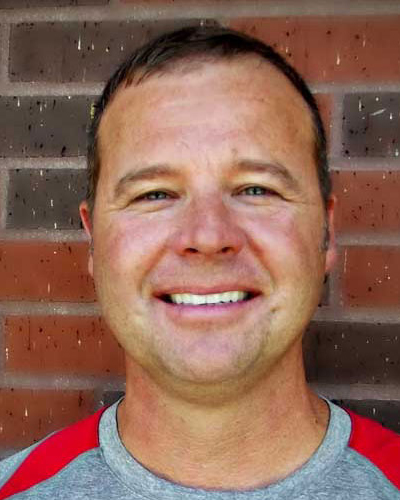
Brian Vediz
BSCTE, RDMS (AB, OB/GYN), RDCS, RVT, Director of the Diagnostic Medical Sonography Program
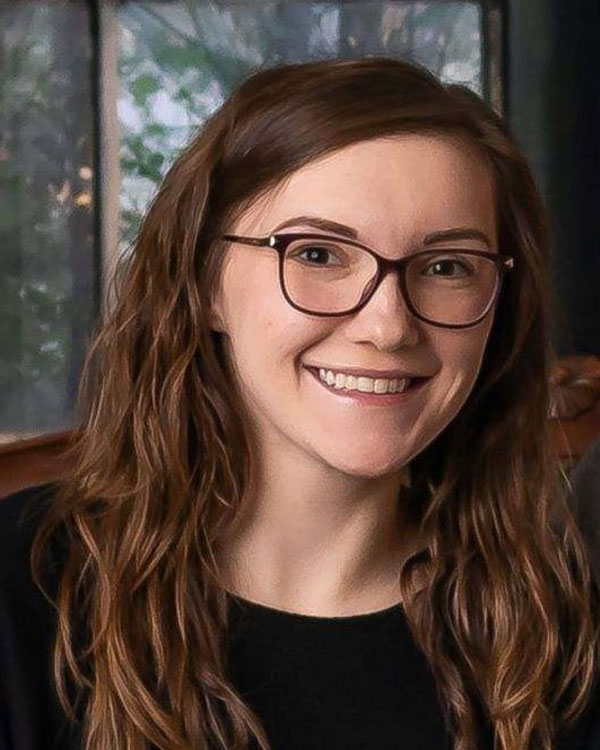
Jessica Garretson
RDMS (AB, OB/GYN), RVT, Instructor of Diagnostic Medical Sonography (DMS)

Brandi Clark
BSCTE, RRT, Engagement Coordinator
Morgan Augustine
DMS Program Specialist

CAAHEP
9355 - 113th St. N, #7709
Seminole, FL 33775
P:727-210-2350
F:727-210-2354
E: mail@caahep.org

JRC-DMS
6021 University Boulevard, Suite 500
Ellicott City, MD 21043
Phone: 443-973-3251
Fax: 866-738-3444
Email : mail@jrcdms.org